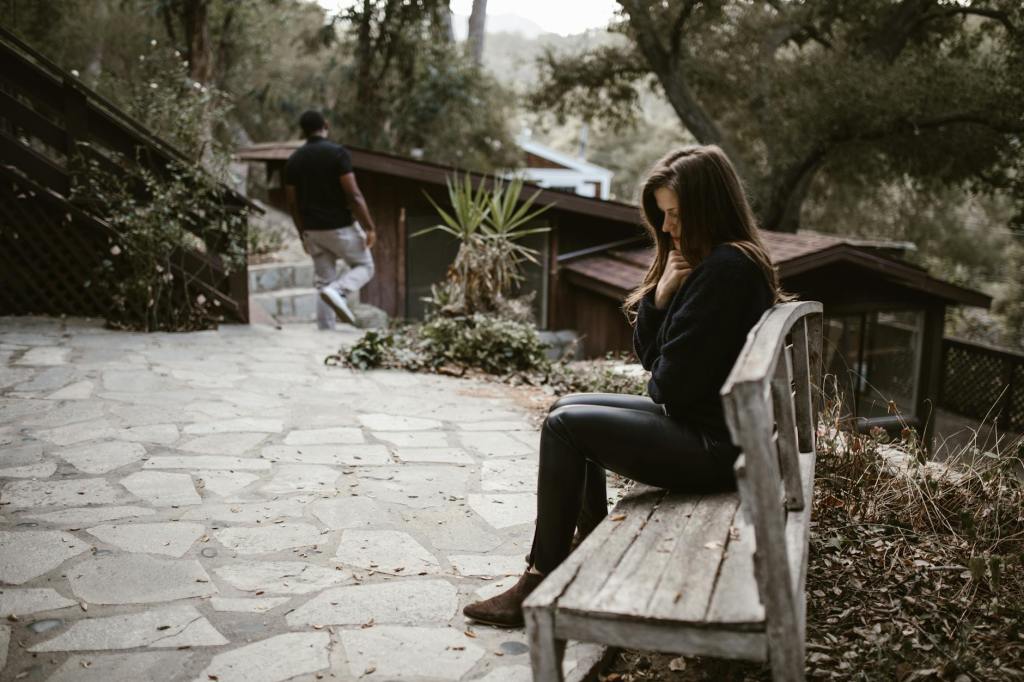
Why are human relationships challenging?
Personal experience and psychological insights shape the quality of our relationships, mirroring these we have with ourselves. When we carry unexamined emotional wounds from childhood into our adult connections, we create patterns of misunderstanding and disconnection. The solution lies not in finding the “perfect” partner, but in developing the courage to face our own emotional history, practice self-compassion, and approach relationships as opportunities for mutual healing and growth.
Paradox of Human Connections
Let’s ponder for a moment. . . Relationships should be simple. Two people meet, appreciate each other’s authentic selves, and build something meaningful together. Yet this seemingly straightforward process becomes one of life’s greatest challenges across every stage of human development.
From our earliest childhood friendships through school relationships, workplace dynamics, romantic partnerships, and family bonds, we navigate an intricate web of human connection. Each relationship demands something different from us, yet we often approach them with the same unexamined patterns and expectations. The humanistic tradition reminds us that these connections form the core of human experience, shaping who we become and how we understand ourselves in the world
Most people overlook the foundational relationship that influences all others: the one we have with ourselves. This internal relationship sets the template for every external connection we form. When we lack self-awareness or carry unresolved emotional wounds, we unconsciously project these patterns onto others, creating cycles of misunderstanding and disappointment.
Forming Emotional Blueprint
Scientists believe that before age seven, children absorb fundamental lessons about safety, self-worth, and connection through their interactions with caregivers and environment. These early experiences create neural pathways that become our default responses to stress, conflict, and intimacy. A child who experiences consistent warmth develops different relationship patterns than one who faces unpredictability or emotional neglect.
These formative experiences inscribe themselves into both mind and body, creating what we might call our emotional blueprint. When similar situations arise later in life, our nervous system automatically responds based on these early patterns, often without conscious awareness. The child who learned that expressing needs led to rejection may become an adult who struggles to communicate needs in relationships.
Consider the example of playground dynamics. A child who witnesses violence being rewarded with social status faces a complex moral puzzle. If standing up to a bully earns admiration from peers, the child must reconcile this experience with earlier teachings about violence being wrong. Without proper guidance to understand context and intention, the child might conclude that violence itself brings social rewards, rather than learning the more nuanced lesson about appropriate self-defense or protecting others.
As we mature, we either develop the courage to reexamine these early conclusions or we avoid situations that might challenge them. Those who lean too heavily into constant reexamination may become reckless risk-takers, while those who avoid any challenge to their early learning become increasingly rigid and fearful. Balance requires developing the wisdom to distinguish between the helpful caution and the limiting fears.
Accumulated Trauma
Trauma encompasses both physical and emotional wounds, with emotional trauma often proving more persistent and complex to heal. While many people associate trauma with dramatic events, they typically accumulates them through smaller, repeated experiences of hurt, disappointment, or emotional invalidation.
Adults continue accumulating and reinforcing traumatic experiences throughout their lives. A series of relationships that end in betrayal can compound childhood wounds around trust, and in a professional context, failures can reinforce earlier messages of self-worth. Without conscious awareness and intentional healing, these experiences add layers upon each other, creating increasingly sensitive emotional triggers.
The word “trauma” comes from the Greek word for “wound,” and like physical wounds, emotional injuries require attention and care to heal properly.
When left unaddressed, they become sources of ongoing pain that influence how we interpret neutral events, respond to stress, and connect with others. Someone with unhealed abandonment wounds might perceive a partner’s need for space as rejection, even when no rejection is intended.
Many people recognize that certain events shaped their behavior patterns, but they lack the tools or support to explore these connections deeply. The resemblance between past wounds and present reactions often remains unconscious, leading people to repeat painful patterns while wondering why relationships feel so difficult.
Why Relationships are Hard?
By now, you would have gathered the glimpse of why relationships are hard, because it brings about 2 or more people with their own unique baggage of experiences and coping mechanisms from their traumas incurred to the relationship. These mechanisms worked to keep them safe in their original contexts, but they may create misunderstandings in new relationships.
The challenge intensifies because healing requires vulnerability, and vulnerability feels dangerous to someone whose early experiences taught them that emotional openness leads to pain. For deep connection to occur, both people must be willing to explore their emotional history, understand how their past shapes their present reactions, and develop patience for each other’s healing process.
Modern culture’s emphasis on individualism and immediate gratification works against this deep work. When relationships become difficult, the prevailing wisdom suggests that incompatibility is the problem, rather than the normal challenges of two imperfect people learning to love each other well. The ease of divorce and breakups creates an escape route that many choose before attempting the harder work of mutual understanding and growth.
This tendency toward relational disposal reflects a broader cultural misunderstanding about the nature of love and commitment. Popular culture portrays love as a feeling that should remain effortless, rather than as a choice that requires ongoing effort, patience, and skill development. We thought love alone, or even attraction, would work things out. When the initial excitement fades and real differences emerge, many people conclude they chose the wrong person rather than recognizing this as the beginning of deeper intimacy.
Truth to be told, I am 100% guilty of not sticking things out. In my past relationships, I realized ‘idealistic’ I was, hoping that things work out with time, and with me putting work into the relationship. But when things got tough, my panic button’s response was avoid and flight. My inability to work on relationships with others often reflects an underdeveloped relationship with myself. Many moons later, my self-reflection brought me to the revelations that, if we haven’t learned to treat ourselves with patience and compassion, we will struggle to extend these qualities to others. When conflict arises, the impulse to flee often overwhelms the ability to stay present and work through difficulties together.
This pattern of “chickening out” represents a protective mechanism developed in childhood when the emotional resources for handling conflict were insufficient. The adult brain knows that relationships require communication and compromise, but the emotional brain still carries the child’s fear of being hurt or overwhelmed. Without conscious intervention, the protective response wins, leading to a series of abandoned relationships and reinforced beliefs about personal inadequacy.
The recognition that healing becomes possible through spiritual connection points toward an important truth: lasting change often requires support beyond individual willpower. Whether through spiritual practice, therapy, trusted friendships, or community involvement, healing happens in relationship with others who can provide the safety and encouragement needed for growth.
To Heal & Connect
Developing self-awareness requires both courage and compassion. The process begins with gentle curiosity about our own patterns rather than harsh self-judgment. When we notice ourselves reacting strongly to a situation, we can ask: “What does this remind me of from my past? What am I afraid might happen here?”
Writing can serve as a powerful tool for this exploration, as it forces us to think clearly about our experiences and emotions. It is one of my go-to exercises still. Regular journaling about my relationship patterns, emotional triggers, and childhood memories can reveal connections that remain invisible from my everyday life. The act of putting experiences into words often brings clarity and perspective that pure thinking cannot achieve.
Seeking professional support through therapy provides a safe relationship within which to explore these patterns. A skilled therapist can help identify unconscious beliefs, process old wounds, and develop new skills for emotional regulation and communication. This work requires patience, as deeply ingrained patterns change slowly and often require repeated practice in new situations. This also requires a step into taking the initiative.
Communicating openly with partners about our struggles and triggers transforms potential sources of conflict into opportunities for deeper understanding. When we can imply and get understanding from an angle that says, “I’m feeling triggered right now because this situation reminds me of something painful from my past,” we invite empathy rather than defensiveness. This level of vulnerability requires trust, but it also creates the foundation for genuine intimacy.
Learning from My Experiences
I was not able to work on a relationship with myself, and that brought on the hurdles to those with others. This caused failed relationships and misunderstandings. Could I have been a better communicator or practice more self-love, and with that, love for my previous partners? Of course!
Relationships remain challenging because they ask us to be fully human in the presence of another. They require us to face our fears, examine our assumptions, and develop capacities for patience, forgiveness, and growth that extend far beyond our individual comfort zones.
The path forward lies not in finding someone who will not trigger our wounds, but in developing the internal resources to handle these triggers with grace and wisdom. This means learning to distinguish between past and present, developing emotional regulation skills, and practicing the radical act of staying present when every instinct tells us to flee or fight.
True intimacy emerges when two people commit to supporting each other’s healing and growth, even when that process feels messy or uncomfortable. It requires the recognition that love is both a feeling and a practice, requiring ongoing attention and skill development like any other important endeavor.
The most profound relationships become laboratories for mutual transformation, where each person’s presence helps the other discover their capacity for courage, compassion, and authentic self-expression. In learning to love another person well, we discover how to love ourselves. In learning to love ourselves with compassion, we develop the capacity to love others with the patience and understanding that real intimacy requires.






 We live, we love, we strive
Leave a comment