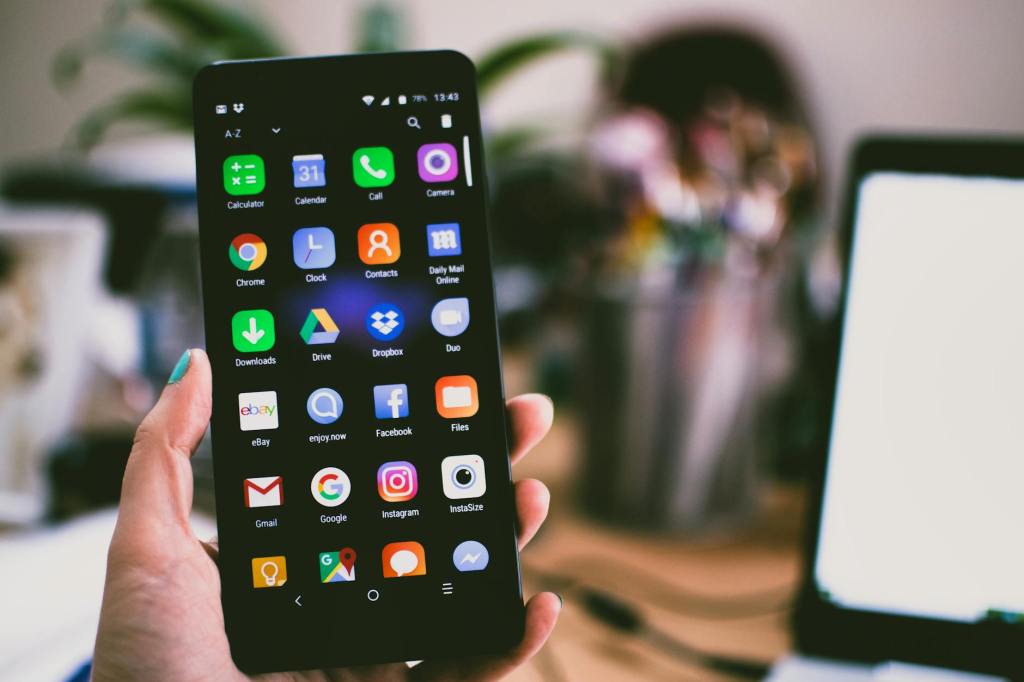
While the world is becoming more “connected” through knowledge and information, the connection between people has grown much further away.
Statistics show that on average, an adult spends 6h 58mins every day and this varies between countries. With the vast majority of work to be done on a laptop or phone, this statistic is bound to be increased as we see more of the Gen-Z coming up and who knows what the next generation brings.
So to stop yourselves and your kids from visiting the optician or to affect their thinking capabilities, the need to curb some sort of screen time is useful. Here are some ways to consider:
Turn off notifications
One of the initial strategy is to turn off the notifications so you do not always react to that sound or banner that pops up on your phone. You can easily do this with all the apps on your phone by navigating to the notifications tab.
If you’re like me, that you prefer to only see them when you want to for the more important apps, just choose accordingly if you require sound notifications or just banner on the home screen.
Remove social media app icons or the apps
I first tried this when I noticed myself scrolling away on Facebook. The scrolling first took me about 10-15mins per day, mainly to see what are some updates from my friends and connections, and then it became more and more to a point of 30-45mins scrolling.
The contents became so targeted that I felt a need to read through them, be it news or information, or items I was curious about. My eyes become so strained after a while.
I then took a hard decision to remove the icon first, and initially, my curiosity was perked. I wanted to know what’s happening to my friends. But after a while, I realised, it wasn’t that much interesting to keep scrolling through. We have our own group chats, at the least the closer ones. Why do I need to see those through Facebook? And so, I deleted Facebook entirely.
If that was too much, move the icons out of home screen
Well, not everyone can be as extreme as me. Some of us need these applications as part of work or checking the updates of clients, or simply just wanting to clickthrough at some point.
One other way I find it extremely useful, very much so for work-related apps such as MS Teams, Slack etc. was to move them out of your home screen to another screen.
When you opened your home screen and the app is not there, there is less tendency to click through them, even though there are notifications. Especially useful for apps you want to use occasionally.
Remove history for both search engine and YouTube
This is more for a laptop setup.
I came to realise how I have been clicking through so many YouTube videos and the search engine that suggest with my past searches. I then to my Google account to turn off all search history and YouTube search history.
The effect?
I was a bit lost…
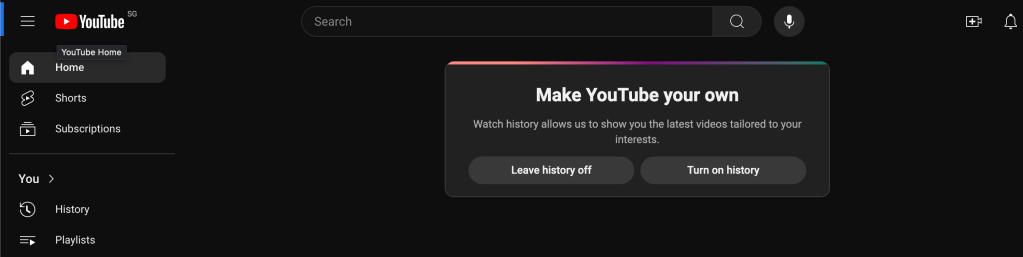
When you realised that there are no suggestions, you seem to wonder “what should I search for?”
The initial feeling of lost was a bit uneasy but after a while, this got really interesting. You start to search for videos that you absolutely want to learn more about like cooking recipes, how to write newsletters, stand-up comedy etc. and you do not have all the suggestions that flood your visuals after watching a 10mins clip.
I am loving my YouTube without search suggestions!
Digital Detox is Needed
There are studies that discuss how blue light makes one more alert which could be useful for work in the day. This study even discuss how blue light helps with cognitive performance, but at what cost and which organisation has funded this study?
But we all know that blue light is not helpful when it comes to tuning down… What blue light does better at is affecting one’s sleep patterns and potentially causing more mental health, stress and depression. This increases bipolar disorders too.
Now imagine this with more contents that are depressing…
While we cannot avoid the need to use our laptops, phones and tablets for work and connecting with others across geographies, it is important that one should spend more time on oneself and the people who are close to you. Devices are means, not the end. Use your devices sparingly and observe how you feel without them. This is often an indication if there could be an addiction or over-reliance.







 We live, we love, we strive
Leave a comment